

The Greek Gastronomy
THE ROOTS
Knowledge of the roots of Greek cuisine is essential for understanding traditional Greek food culture. Today's Greek gastronomy was created as a mixture of three distinct styles.
The first is the cuisine of mainland Greece.
The second is the gastronomy of the Archipelago.
The third and most complex is the Greek cuisine of Asia Minor.
THE LAND CUISINE CULTURE Mainland Greece, as the cradle of ancient culture, served as a base, also in terms of meals. Who has not read about the huge ancient feasts, where people and gods indulged themselves with the best of snacks, while rinsing their thirsty throats with beer, wine, and nectar. The mainland area, - thanks to its geographical features - is suitable for growing vegetables and fruit in addition to grain. Using a lot of legumes, the cuisine has a very healthy basis. The large family of beans, lentils, pumpkins and cabbages, special local grasses, various types of cereals (later tomatoes, peppers) and of course the most important plant, the fruit of the olive tree. This means such a huge variety that a collection of recipes for dishes made from these would fill volumes in itself. Added to these is the abundant selection of meats and especially fish.
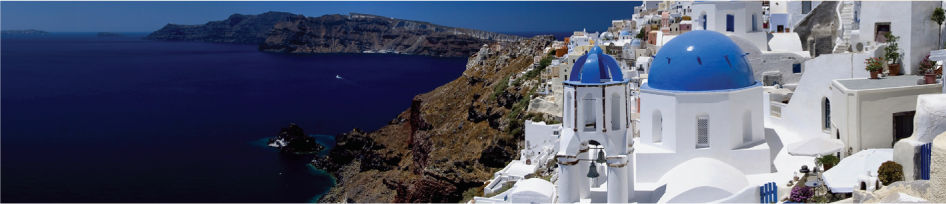
THE GASTRONOMY OF THE ISLANDS The second element of Greek cuisine stems from the gastronomic culture of the islands. The islands, as transit stations for maritime trade, have picked up this and that from the gastronomic knowledge of all the peoples sailing the Mediterranean. The Ionian islands (Corfu, Zakynthos, Lefkada) have combined the influences of Italian and continental Europe with their own. The cuisine of Crete and Cyprus has mixed elements of Arab and North African cuisine with its own. The cuisine of the islands near the coast of Asia Minor (Rhodes, Kos, Lesvos) favors the cooking habits of the once Greek cities located on the western coast of modern-day Turkey. As a result, the individual archipelagos differ in terms of seasoning, as well as in terms of baking and cooking habits. This feature only creates new and new opportunities for today's Greek cuisine to increase its selection.
ON THE ORIGIN OF ASIA MINOR FOOD The third, most spectacular and most complex influence in terms of taste is Asia Minor. Some claim that this is more Turkish cuisine and has nothing to do with Greekness, but this does not correspond to reality. Greeks, Armenians and the neighboring Persians have inhabited this region since ancient times. The ancient Turks, as a nomadic tribe, - due to their constant migration - were not equipped to eat food cooked in an oven and carry heavy earthenware pots with them. However, after their settlement, they combined the eating habits of the people living there with their own traditions. This has often resulted in dishes with an extraordinary taste. This cuisine is much spicier and more flavorful than the others.
A DROP OF HISTORY The big change in the life of today's Greek cuisine occurs in the twentieth century. In the early twenties, Turkish troops expel the Greek, Pondos and Armenian population, who had lived there since ancient times, from the coastal cities of Asia Minor, then from Constantinople, and from the Black Sea coast. The mass of at least two million people who fled under dramatic circumstances settled mainly in the territories of the mother country. This began the general mixing of different gastronomic customs. This created the basis for the success of today's Greek cuisine. Today, there is perhaps no other culinary culture in Europe that is as complex as that of Greece. After all, the influences of African-Arab, Asia Minor, European, mainland Greek and insular Greek cuisine today form one large unit, modern Greek cuisine.